


Land clearing and site preparation often require equipment that can efficiently remove debris while leaving the soil intact. A root rake is a durable attachment designed for this purpose, helping operators quickly clear material and prepare job sites.
In this guide, we will cover everything you need to know about root rakes, including how they work, what they’re used for, and how to choose the right one:
Key Takeaways
- A root rake is a heavy-duty attachment designed to remove roots, clear brush, rocks, and other debris from the soil during land clearing or site preparation projects.
- Root rakes are commonly used with skid steers, compact track loaders, compact wheel loaders, tractors, and excavators, depending on attachment design and coupler compatibility.
- Root rakes use spaced steel tines to sift through soil and remove debris while minimizing soil disturbance.
- Root rakes are typically used for land clearing, vegetation removal, site preparation, storm cleanup, and material recovery.
- The benefits of using a root rake include increased job site productivity, reduced manual labor, and soil quality maintenance.
What is a Root Rake?
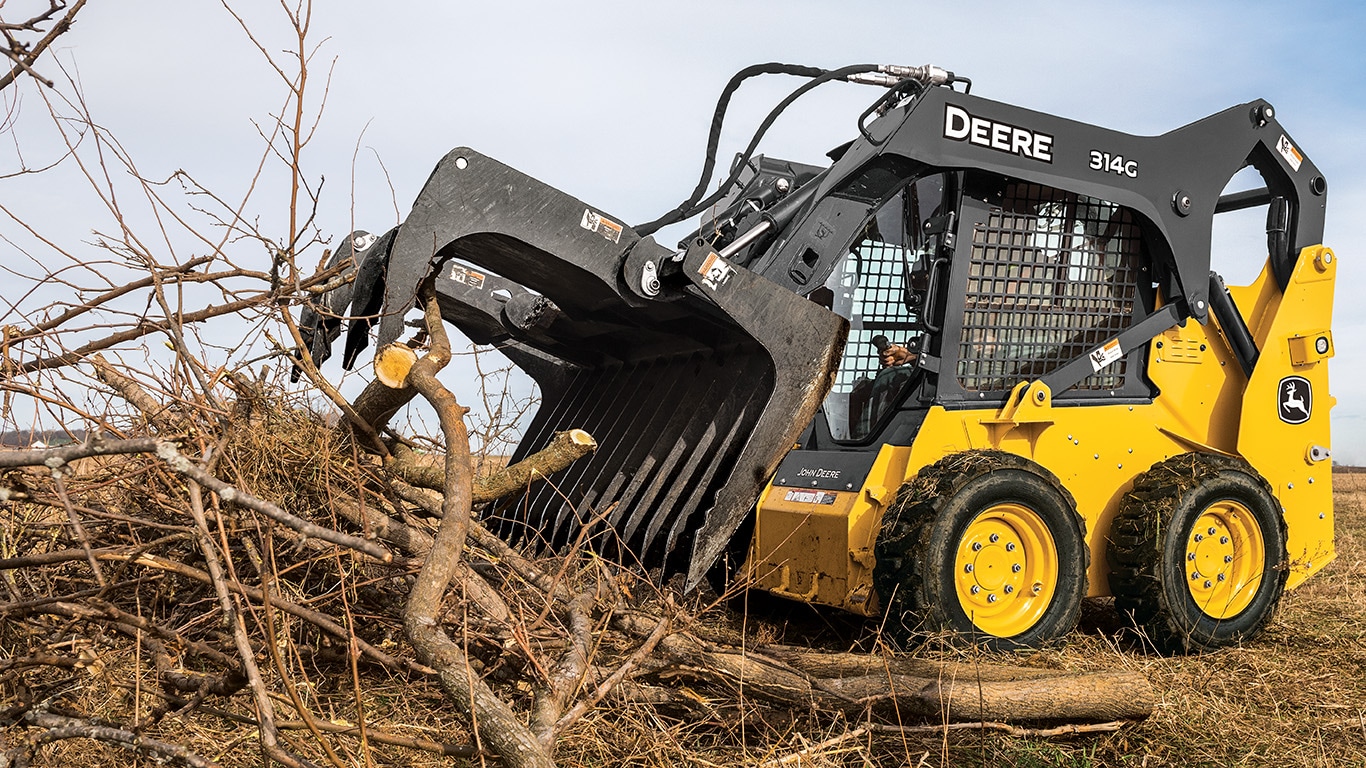
A root rake is a heavy-duty metal attachment designed to remove debris from the ground while preserving usable soil. This attachment is typically compatible with skid steer loaders, compact track loaders, tractors, excavators, and wheel loaders, and is used when clearing land, preparing sites, or managing vegetation.
A root rake typically features either one or two “clawed” or tined surfaces for digging and dragging roots and other hard-to-dig debris from soil. A root rake may have one row of “claws” or tines on the bottom front edge, or it may have two rows, one on the top edge and one on the bottom.
How Does a Root Rake Work?
A root rake uses hardened steel tines to comb through the soil for debris, while still allowing smaller particles and soil to pass through. This allows operators to remove larger materials, such as large tree branches or rocks, while leaving the soil in place. This design is ideal when an operator does not want to disrupt the soil but still needs to clean and prepare land.
What is a Root Rake Used For?
Due to a root rake’s unique ability to pick up unwieldy and hard-to-manage items, better than almost any other implement, a root rake is uniquely useful for tasks that involve moving branches, debris, and other uneven or bulky items.
4 examples of root rake uses include:
1. Land Clearing and Vegetation Removal
A root rake is commonly used to remove brush, branches, or other overgrown vegetation from land. This helps prepare the land for construction or farming by productively removing the material from the surface of the ground without disturbing the soil.
2. Site Preparation
Root rakes are effective tools for site preparation, especially when extracting items such as old tree roots, old disconnected pipes, or buried debris from beneath soil, eliminating the need to dig the items out and replace the soil later. This process helps streamline site preparation work while still maintaining the soil.
3. Storm and Disaster Cleanup
Root rakes are also useful tools for cleaning up debris after a flood, fire, or other disaster, as they allow operators to quickly gather fallen trees or branches. As a result, they help reduce the time and labor needed in recovery efforts.
4. Recovering Salvageable Materials
Root rakes can also be used to recover usable materials from the land, such as firewood or other salvageable debris. Their spaced tines allow for smaller particles to be sifted out, making them ideal for collecting larger materials without added dirt or dust.
What Are the Benefits of Using a Root Rake?
Root rakes offer several benefits that make them a valuable attachment for clearing land and preparing jobsites. These benefits help operators work more effectively while still maintaining the quality of the soil.
3 important benefits of root rakes include:
1. Boosts Jobsite Productivity
Root rakes help operators clear land and remove debris more efficiently. The ability to gather and sift through material in a single operation helps reduce downtime and improves the speed at which you can clear jobsites.
2. Reduces Manual Labor
By using a root rake attachment, you significantly reduce the amount of manual labor needed to remove brush, extract roots, or clean up any other debris on a jobsite. All of these tasks can be completed faster and more efficiently when cleaning up job sites.
3. Preserves Soil Quality
As spaced tines allow soil to pass through while gathering larger debris, root rakes can help reduce unnecessary soil displacement compared with more aggressive digging or grading attachments.
How Do You Install a Root Rake?
When installing a root rake to your equipment, begin by positioning your machine so that the quick coupler system aligns with the attachment’s mounting plate. Then, carefully tilt the root rake in position and latch it onto the mechanism. Once attached, lightly press the root rake into the ground to confirm the latch is secure before beginning operation.
If your root rake includes hydraulic grapple functionality, connect the hydraulic hoses according to the manufacturer’s instructions after ensuring couplers are clean. Make sure both coupler ends are clean before connecting to help prevent contamination. Non-grapple root rakes may not require hydraulic connections.
After the installation is complete, angle the rake so the tines sit below the surface of the ground. This will allow the root rake to effectively engage and separate debris during operation.
How Do You Maintain a Root Rake?
Proper maintenance of a root rake helps to extend the lifespan of the attachment and ensure that it is safe to operate.
3 steps for proper root rake maintenance include:
Step 1: Check the Hydraulics, if Equipped
Start by inspecting the hydraulic components by checking for leaks in the cylinders and hoses whenever you use the machine. Addressing these hydraulic issues helps to maintain the safe operation of any machine.
Step 2: Lubricate Your Root Rake
Lubricate pivot points, pins, and other grease fittings according to the maintenance schedule in your operator’s manual. Grease-point count and service intervals vary by model and attachment configuration. This step helps reduce friction and extend the lifespan of your root rake.
Step 3: Inspect the Tines and Frame
Lastly, inspect the tines, frame, and all other structural components of your root rake for broken or missing pieces. Any damaged parts should be repaired to maintain consistent performance.
Find the Right Root Rake for Your Equipment
Choosing the right root rake depends on your machine type and the goal of your project. Root rakes are available in different sizes and configurations, depending on whether they are used on a skid steer, tractor, excavator, or other equipment.
John Deere root rake attachment examples include RR72, RR78, and RR84 configurations, with size, tine spacing, weight, and machine compatibility varying by model. Always compare the attachment’s width, coupler requirements, and approved machine compatibility before purchasing.
For more information regarding the John Deere root rake or related products, contact your local John Deere dealer.
Root Rake FAQs
What's the difference between a root rake and a root grapple?
A root rake is primarily designed to rake, gather, and separate debris from soil using spaced tines. A root grapple adds hydraulic clamping capability, allowing operators to grab, lift, and carry logs, brush, roots, and other bulky material. The right choice depends on whether the job mainly requires raking and sorting or clamping and transporting material.
Are root rakes hydraulically powered?
Some root rakes include hydraulic components for grapple functionality, while others are more basic and are solely designed for basic debris separation. Most root grapples, on the other hand, are hydraulically powered to carry heavier loads.
Can a root rake remove large tree stumps?
Root rakes can help loosen, gather, or remove small roots and surface debris, but they are not the best tool for removing large, established tree stumps. Larger stumps may require a stump grinder, excavator, ripper, or other dedicated removal equipment.
What equipment is a root rake compatible with?
A root rake is compatible with skid steers, compact track loaders, tractors, excavators, and compact wheel loaders depending on attachment design and coupler compatibility. Before using a root rake, it is important to make sure that your attachment matches the machine's requirements for safe and effective operation.
Does a root rake heavily displace soil?
No, root rakes are designed to minimally disturb the soil while still separating the debris rather than aggressively excavating large amounts of soil.
Can you use a root rake on rocky terrain?
Yes, root rakes are commonly used on rocky or uneven terrain. Root rakes can help separate rocks from soil, making them ideal for clearing difficult terrain when cleaning or preparing land.
Are root rakes compatible with Quik-Tatch™?
Many John Deere compact equipment attachments use the Quik-Tatch™ system, but compatibility depends on the machine, coupler, and attachment model. For compact wheel loaders, confirm whether a Skid-Steer Style Quik-Tatch™ Coupler is required.
How long does a root rake last?
The lifespan of a root rake depends on how frequently it is used and how well it is maintained. It is important to get your root rake routinely inspected and ensure that it is well cared for in order to extend its lifespan.