



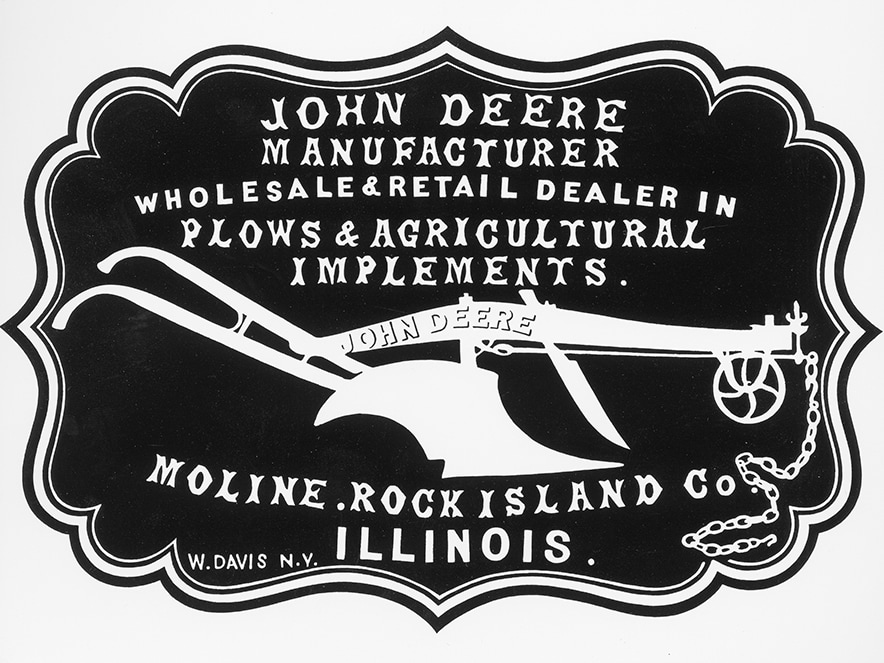
John Deere invented the steel plow in 1837 in Grand Detour, Illinois. His polished steel design solved a major problem facing Midwest farmers by preventing sticky prairie soil from clinging to the plow blade. This plow cut through the thick soil with ease, helping farmers work on the land more efficiently and with less effort. Since then, the steel plow has played a critical role in shaping modern agricultural equipment and farming practices.
Key Takeaways
- John Deere invented the steel plow in 1837 to solve farming challenges as a result of heavy Midwestern soil.
- The original steel plow was built using an old sawmill blade and a wrought iron moldboard.
- The steel plow allowed farmers to cut deep into dense soil, reducing manual labor and improving productivity.
- Although it is less commonly used today, the steel plow laid the foundation for modern agricultural equipment and farming technology.
What is the Steel Plow and How Does it Work?
The steel plow is an agricultural tool designed to turn over soil in preparation for planting. Its polished steel surface prevents the soil from sticking, allowing for smoother and more continuous use. It is primarily used to break up tough soil, bury crop residue, and help control weeds, making farmland easier to cultivate.
The steel plow works by cutting through soil, lifting it up, and turning it over. From there, it buries the vegetation that was on the surface and exposes fresh soil that can now be used to plant new crops. This process improves the conditions necessary for planting new crops, reduces nutrient competition, and creates a more fertile planting environment.
How Did John Deere Develop the Steel Plow?
To make the self-scouring steel plow, John Deere reworked an old sawmill blade and attached it to a curved wrought iron moldboard to form the plow blade. He then added it to a wooden frame and polished the blade to prevent clogging. By 1856, less than 20 years after its invention, Deere was selling 13,000 plows a year.
Why Was the Steel Plow a Necessary Invention?
The steel plow was a necessary invention for farmers, as traditional wooden plows were not built for the thick prairie soil, and often broke or became clogged during use.
Farming Challenges in the 1800s Midwest
During the early to mid-1800s, settlement expanded rapidly across the American Midwest. The soil was rich and fertile, but also thick and clumpy compared to the Eastern United States. Therefore, farmers needed a plow capable of turning dense prairie soil efficiently without constant clogging.
Problems with Wood Plows
Before the steel plow, farmers relied on wooden plows, which were not built to handle the Midwestern soil. These traditional plows were prone to breaking, and even if they didn’t break, farmers would still have to stop every few minutes to clear soil that had clumped on the blade, resulting in minimal efficiency.
How Did the Steel Plow Help Farmers?
The steel plow helped farmers cut through tougher soil more easily, making it possible to cultivate more land and grow more crops. Unlike wood plows, steel plows were much more durable and could withstand more wear and tear. The smooth, steel surface also prevented soil from sticking to the blade, allowing farmers to break, lift, and turn over soil more continuously. As a result, preparing fields became much more efficient, reducing both the labor and energy required to grow crops.
How Did the Steel Plow Improve Agriculture?
During the time period in which the steel plow was introduced, transformation and efficiency were becoming crucial factors of life everywhere, especially within the agricultural industry. By moving on from wood to steel, John Deere helped farmers scour the sticky soil more easily than ever before. While steel was extremely hard to find at the time, it was the perfect material to cut through this soil without the soil getting stuck to the plow.
This polished steel resulted in better tillage conditions than those produced with a wood plow, which was the most common and accessible option at the time. The steel plow also addressed the efficiency issues farmers faced when using the wood plow because it was much stronger and could, therefore, tackle more work.
How Has the Steel Plow Changed Over Time?
Over time, plow designs evolved from single-bottom configurations to larger multi-bottom models that could cover more ground efficiently. This plow was among the first commercially successful self-scouring steel plows, improving upon earlier wooden and cast-iron designs. That being said, this material change wasn’t the only odd thing about the plow. The moldboard was also shaped differently - it was more of a parallelogram, which was curved. These curved contours were created perfectly for turning over soil, meaning that less soil was getting stuck.
Today, John Deere has continued to grow its agricultural machinery repertoire, manufacturing a variety of advanced machinery for improving farming and other land work. John Deere continues to draw on the same core principles of durability and efficiency that were established with the creation of the steel plow.
The Legacy of the Steel Plow in Modern Farming
The steel plow marked a turning point in agricultural history, transforming the way land was cultivated across the United States. The plow enabled farmers to overcome challenges from heavy Midwest soil and supported large-scale agriculture efforts. The Midwest would then go on to become one of the most productive farming regions in the country.
The design principles of the steel plow are still used today, making it a crucial innovation in agricultural development. Many say this invention helped fuel further Western expansion and economic growth, as farmers were able to cultivate more land with increased productivity.
Learn More About John Deere Agricultural Innovation
John Deere’s steel plow was one of the most important agricultural innovations in history, helping to transform farming in the American Midwest and shaping the modern agricultural practices we know today.
For more information regarding the John Deere steel plow, related products, or where to purchase one, contact your local John Deere dealer.
Steel Plow History FAQs
What did farmers use before the steel plow?
Before the invention of the steel plow, farmers typically used either wood or cast-iron plows. Wood plows had been used for generations before the steel plow came about, but they often broke and became clogged with soil. As a result, farming was slow and labor-intensive.
What materials were used in the first steel plow?
The first steel plow created by John Deere was developed using an old sawmill steel blade, a wrought iron moldboard, and a wooden frame. This design allowed the plow to easily cut through soil and prevent buildup.
Is the steel plow still used today?
Steel plows are still used today, although many farmers now utilize conservation tillage, minimum tillage, or no-till practices that reduce the need for traditional plowing.
How did the steel plow improve crop production?
The steel plow improved crop production by helping farmers break through thick prairie soil and prepare fields for planting. As farmers cultivated larger areas of land, they were able to grow more crops and expand agricultural communities across the Midwest.